A Practical Guide from an LED Headlight Manufacturer
“Why are my headlights so dim, even with new bulbs?”
This is one of the most common questions we receive from distributors, workshops, and end users.
Whether it’s low beams or high beams, dim headlights are a widespread issue across both halogen and LED systems.
As an automotive LED headlight manufacturer, we see this problem from both the product and market side — and the reason is rarely just one thing.
Let’s break it down.
1. Not All Headlight Bulbs Perform the Same
Many drivers replace a headlight bulb expecting instant improvement, only to find their car headlights are still dim.
Why?
Because brightness claims on the packaging do not equal usable road illumination.
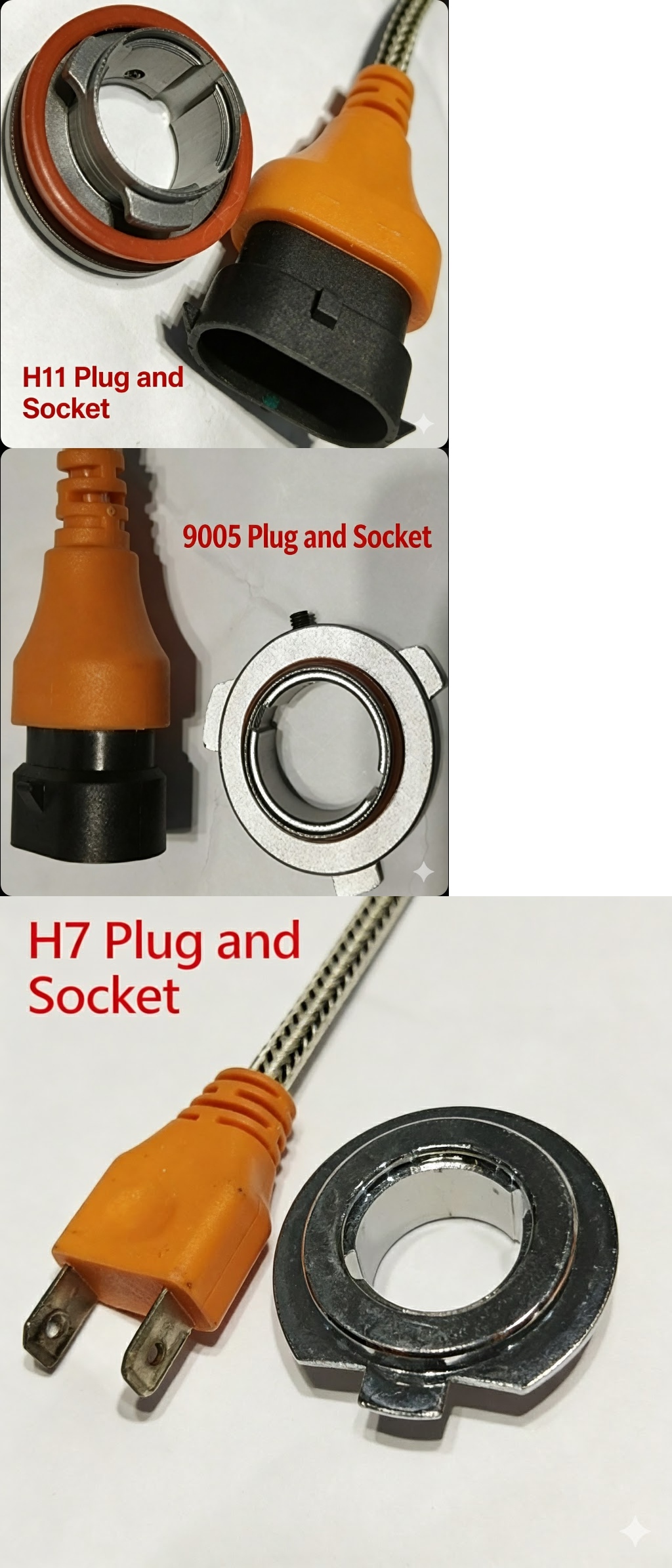
Whether it’s an H11 headlight bulb, 9005 headlight bulb, or H7 LED bulb, real performance depends on:
Quality and quantity of LED chips
Optical alignment
Effective heat management
This applies to car LED headlights, fog lights, and even projector headlights.
2. Common Misconception: Higher Wattage = Brighter Headlights
One of the biggest misunderstandings in the LED headlight market is this:Higher wattage means better headlights.
In reality, this often leads to:
Glare
Scattered light
Poor cutoff lines
Reduced visibility in rain or fog
From a manufacturing standpoint, beam pattern matters more than raw power.
3. Lens Condition and Projector Design Matter
Even the best automotive LED headlights can feel weak if the optics are compromised.
Common causes include:
Cloudy headlight lenses
Poor reflector design
Misaligned projector lenses
In the automotive projector headlight market, optical accuracy is now a key performance factor — not just brightness.
4. Heat Management Directly Affects LED Brightness
LEDs are sensitive to heat. Without proper thermal control:
Light output degrades rapidly
Lifespan is shortened
Performance becomes unstable
In our factory testing, we mainly see two cooling solutions:
Fan-based LED headlights
Compact
High initial output
But moving parts can reduce long-term reliability
Aviation-grade aluminum heat sinks
Passive cooling
Stable output
Ideal for continuous use and wholesale applications
This is why many LED headlight suppliers now prioritize passive cooling for OEM automotive lighting projects.
5. Installation and Adjustment Are Often Overlooked
Many cases of dim headlights (or car headlights) stem from incorrect installation.
Common issues:
Incorrect LED orientation
Poor electrical contact at the plug
Failure to adjust headlights after installation
A true plug-and-play LED headlight should install seamlessly and maintain the correct beam angle without additional wiring.
Final Thoughts
If your car headlights are dim, the cause is usually not just the bulb. Real lighting performance comes from:
Proper beam pattern
Effective heat dissipation
Correct installation and adjustment
As a manufacturer, this is how we evaluate every automotive headlight we produce — not by chasing specs alone, but by delivering usable, stable road illumination.


