What Light Doesn’t Attract Bugs Camping?
29 December 2025
by Conpex
Reading volume: 989
What light doesn’t attract bugs camping is a common concern for campers who want usable light without drawing swarms of insects.
The wrong camping light can quickly turn a peaceful night outdoors into an uncomfortable experience filled with bugs, glare, and poor visibility.
The real solution isn’t higher brightness — it’s choosing the right light color, beam design, and usage method for outdoor environments.
Why Bugs Are Attracted to Certain Lights
Most insects are highly sensitive to short-wavelength light such as blue and cool white.
These wavelengths scatter easily in the air and strongly attract bugs toward the light source.
That’s why bright white camping lights often create a visible cloud of insects around tents and tables.
Best Light Colors for Bug-Free Camping
Yellow and amber light are the most effective choices for camping.
They use longer wavelengths that insects struggle to detect.
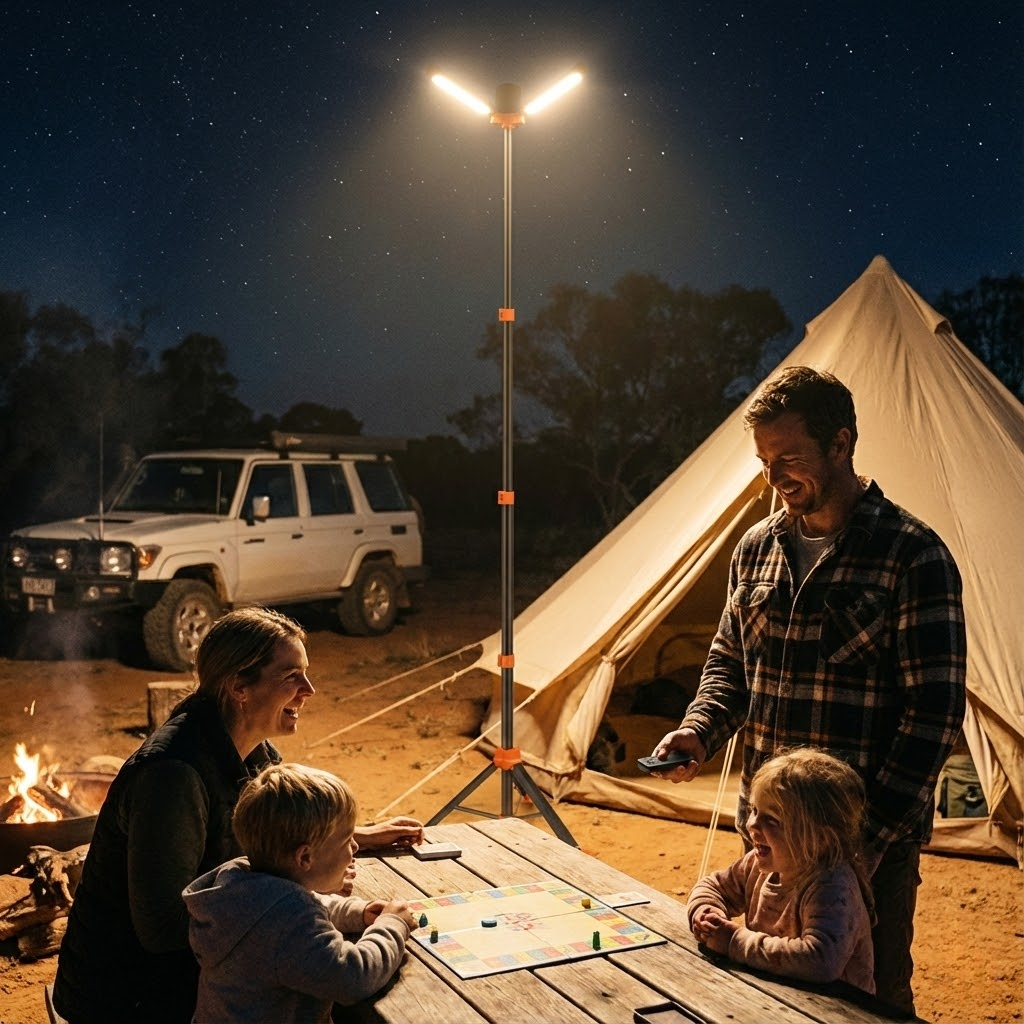
Warm white light can work as a compromise, but daylight and cool white LEDs should be avoided in bug-heavy environments.
LED Camping Lights and Bug Attraction
LED technology itself does not attract bugs.
The issue comes from color temperature and uncontrolled brightness.
Outdoor LED camping lights designed with warm tones, diffused output, and stable illumination significantly reduce insect attraction.
Practical Tips for Camping Lighting
Use warmer light modes whenever possible.
Avoid placing lights directly above food or sleeping areas.
Lower brightness settings often work better than high-power flood lighting.
FAQ: Camping Lights and Bugs
What color light doesn’t attract bugs when camping?
Yellow, amber, and red lights attract the fewest bugs. These longer wavelengths are difficult for most insects to see, making them ideal for camping and outdoor use at night.
Do LED camping lights attract bugs?
LED camping lights only attract bugs if they emit blue or cool white light. Warm-colored LED lights, especially amber and yellow, greatly reduce insect attraction.
Are yellow or amber camping lights bright enough?
Yes. Yellow and amber lights provide sufficient visibility for cooking, walking, and setting up tents while reducing glare and eye strain.
Is red light good for camping?
Red light attracts the fewest insects and preserves night vision. It’s ideal for nighttime movement or stargazing, though not ideal for color-sensitive tasks.
Does higher brightness attract more bugs?
Brightness alone isn’t the main factor. High brightness combined with cool white or blue light increases bug attraction. Warm, controlled light performs far better outdoors.
Where should camping lights be placed to reduce bugs?
Place lights slightly away from tents and seating areas. This draws insects away from people while still illuminating the campsite effectively.
Final Thoughts
What light doesn’t attract bugs camping comes down to smart lighting design, not raw power.
Warm colors, controlled brightness, and proper placement make the biggest difference.
Choosing the right camping light improves comfort, visibility, and the overall outdoor experience — without fighting insects all night.


