How Driving Environment Affects LED Headlight Longevity
17 April 2026
by Conpex
Reading volume: 1021
When you see an LED bulb rated for 30,000 or even 50,000 hours, that number usually comes from controlled laboratory testing. Stable voltage. Moderate temperatures. No vibration. No dust. No salt.
But your car doesn’t live in a lab.
It lives in traffic jams, on hot highways, in freezing winters, or on dusty back roads. That’s why LED headlight longevity is heavily influenced by the environment.
The real world is the ultimate durability test—and your ZIP code may matter more than the brand on the box.
The Heat Factor: Desert and Tropical Climates
Heat is the single biggest enemy of LED lifespan.
In desert or tropical regions, high ambient temperature places extra stress on the headlight’s thermal management system.
LEDs already generate concentrated heat at the semiconductor junction. When the surrounding air is hot, cooling efficiency drops dramatically.
Here’s why:
Hot air reduces heat transfer from the heat sink
Cooling fans must work harder and longer
Internal junction temperature rises faster
As junction temperature increases, two things happen:
Semiconductor aging accelerates
Lumen depreciation occurs earlier
In climates where daytime temperatures regularly exceed 35°C (95°F), internal headlight temperatures can spike even higher once the engine bay heat is added.
Over time, this continuous thermal stress can shorten the practical lifespan of the LED system significantly.
In hot climates, cooling design isn’t optional—it’s critical.
Dust and Debris: Off-Road and Rural Environments
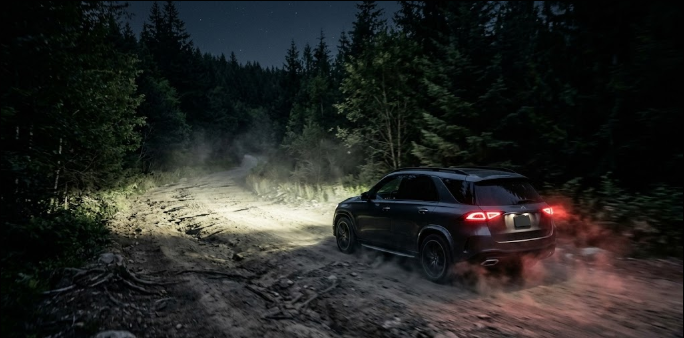
If you frequently drive on gravel roads, construction zones, or desert trails, dust becomes a major factor.
Most aftermarket LED bulbs rely on active vs. passive cooling systems. Active cooling designs use high-speed fans—often spinning at 8,000 to 12,000 RPM—to pull heat away from the LED chip.
The problem?
Fine dust particles can infiltrate the fan housing. Over time, this leads to:
Fan bearing wear
Reduced airflow
Once the fan stops spinning, internal temperatures rise rapidly, and the LED may fail within minutes or suffer accelerated degradation.
In contrast, fanless (passive) designs use large finned heat sinks to dissipate heat naturally. While they may limit maximum power output, they are often more durable in dusty or rural environments.
If you regularly drive in debris-heavy conditions, a dust-proof LED design with sealed components and minimal moving parts may offer better long-term reliability.
Corrosion: Coastal and Winter Road Conditions
Coastal air contains salt. Winter roads are treated with salt. Both create a highly corrosive environment.
Salt accelerates oxidation of:
Aluminum heat sinks
Electrical connectors
Driver module contacts
Over time, corrosion can increase electrical resistance, weaken solder joints, and reduce cooling efficiency.
In coastal regions or snowy climates, look for:
High IP-rated (water/dust-proof) housings
Sealed driver modules
Anti-corrosion coatings on connectors
Without adequate sealing, even high-quality LEDs can suffer premature failure from environmental exposure rather than internal wear.
Rough Roads: The Vibration Stress
Rural and off-road environments introduce constant vibration.
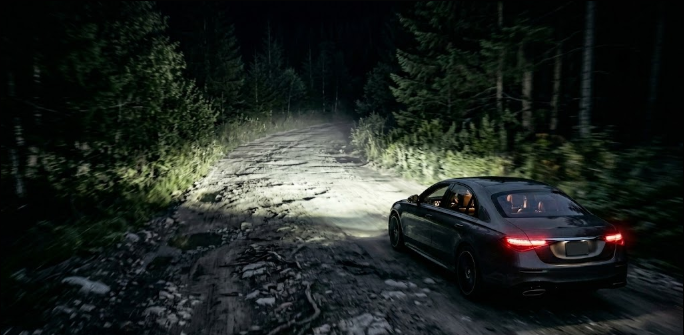
Repeated micro-shocks from uneven surfaces can weaken:
Solder joints on LED drivers
Electrical terminals
Fan motor assemblies
In lower-cost products, vibration often causes electronic failure before the LED chip itself wears out.
Conclusion: Choosing the Right Gear for Your ZIP Code
Not all environments are equal—and not all LED designs are built for the same conditions.
If you live in a hot climate, prioritize superior thermal management.
If you drive in dust, consider passive cooling.
If you’re near the ocean or snow, demand corrosion resistance.
When it comes to LED headlight longevity, the smartest choice isn’t always the brightest bulb—it’s the one engineered for your environment.


