Many car owners are drawn to the idea of upgrading their factory halogen headlights to LEDs.
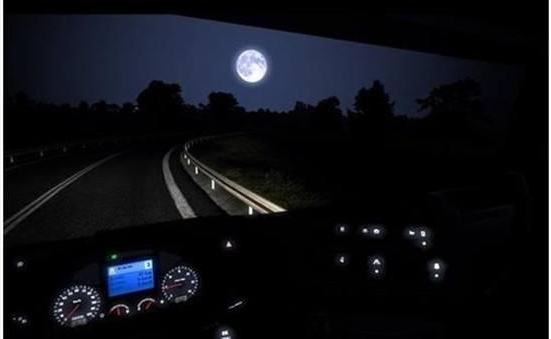
The appeal is obvious: a whiter color temperature, the promise of brighter illumination, and a more modern look. This often leads to a straightforward, practical question:
Can I replace regular headlights with LEDs—and is it just a plug-and-play upgrade?
The honest answer is yes, but with significant caveats. While LED conversions are physically feasible in many vehicles,
they are not always optimal, reliable, or legal. In fact, most real-world problems emerge after installation, not before.
This article breaks down what car owners often overlook, focusing on the technical challenges and drawbacks of LED headlights retrofits so you can make an informed decision.
The Short Answer
Yes, you can replace headlights with LED bulbs in most cars. LED conversion kits are widely available, and in some cases, they will physically fit into a halogen headlight socket.
However, “fits” does not mean “works properly.”
Issues related to beam pattern alignment, cooling requirements, electrical compatibility, and the legality of LED retrofits often prevent these upgrades from performing as intended or even being road legal.
Critical Considerations Before Replacing Halogen with LED
1. Optical Challenges: Beam Pattern Alignment
This is the most commonly overlooked problem.
Halogen headlights are designed around a very specific light source geometry. The filament in a halogen bulb sits at an exact focal point inside the reflector or projector housing.
When you install an LED bulb, the light-emitting surface is different shape and emits light in a distinct manner.
The consequences can include:
Poor beam pattern alignment
Hot spots directly in front of the vehicle
Dark zones further down the road
Excessive glare for oncoming drivers
This is why many drivers report that their LED headlights look brighter but actually perform worse at night.
In comparisons of LED headlights vs. halogen, visibility quality hinges more on beam control than sheer brightness.
2. Heat Management: The Cooling Paradox
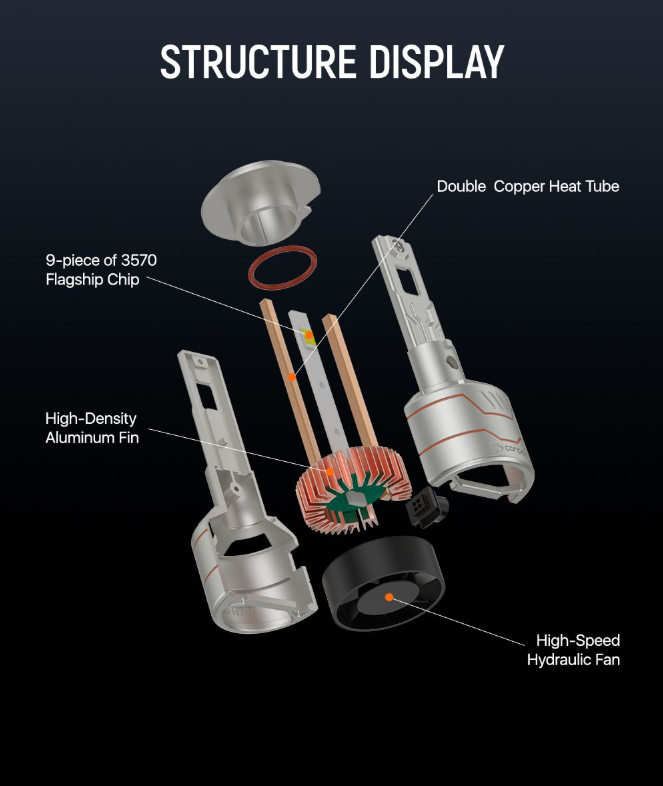
LEDs are often described as “cooler” than halogen bulbs, which is misleading claim.
While LEDs emit less forward radiant heat, the LED chip and driver circuitry generate significant heat at the bulb base.
To ensure longevity, most LED conversion kits depend on two key components:
Active cooling fans
These cooling requirements create several issues:
Limited fitment space inside the headlight housing
Reduced bulb lifespan if airflow is restricted
Fan noise or mechanical failure over time
Ironically, heat buildup is one of the biggest drawbacks of installing LED headlights in halogen housings not were never designed to manage such thermal loads.
3. Electrical Issues: CAN Bus Errors and Flickering
Modern vehicles are highly sensitive to changes in electrical load. Halogen bulbs draw a consistent,predictable amount of current, while LEDs consume far less power.
This mismatch can trigger:
Dashboard bulb-out warnings lights
CAN bus error messages
Flickering or pulsing headlights
Even kits marketed as “error-free” are not universally compatible. LED conversion kit compatibility varies drastically depending on the vehicle’s electrical architecture.
4. Legal & Safety Compliance
The legality of LED retrofits is widely misunderstood.
In many regions:
Headlight housings are certified as a complete system (housing + bulb)
Replacing a halogen bulb with an LED bulb voids that certification
Vehicles with non-compliant retrofits may fail safety inspections or roadworthiness tests
Even if enforcement is inconsistent, drivers may face liability issue in accidents linked to glare or substandard lighting performance.
Buyer’s Checklist: Is Your Car a Good Candidate for LED Retrofits?
Check Housing Type
Projector housings generally control light better than reflector designs, but neither guarantees optimal LED performance.
Verify Electrical Compatibility
Research whether your vehicle model is prone to CAN bus issues with aftermarket LED conversions.
Assess Space for Cooling
Measure the rear housing clearance to ensure heat sinks or fans won’t be obstructed.
Understand Local Regulations
Confirm inspection and road legality requirements in your region before purchasing or installing any kit.
Conclusion
So, can I replace regular headlights with LEDs?
Yes—but it is rarely as simple as it sounds.
LED upgrades introduce tangible challenges in optics, heat management, electrical compatibility, and regulatory compliance.
These factors explain why many drivers end up disappointed,despite choosing kits with high lumen ratings or premium pricing tags.
If you decide to proceed, prioritize proper beam control, vehicle-specific tested compatibility, and regulatory compliance over cheap, generic kits.
When it comes to headlight performance, precision matters more than brightness—and quality always outweighs shortcuts.


