What Is the Common Problem with LED Lights?
11 January 2026
by Conpex
Reading volume: 764
LED headlights have become one of the most popular automotive upgrades in recent years.
They promise brighter light, a modern look, and longer lifespan compared to traditional halogen bulbs. For many car owners and DIY enthusiasts, swapping to LEDs feels like an easy win.
However, the reality is more nuanced. LED headlights are not always a simple “set-and-forget” solution.
In fact, many drivers experience issues shortly after installation. Understanding the common problems with LED headlights can help you avoid frustration and make better decisions before or after upgrading.
Below are the three most frequent problems—and why they happen.
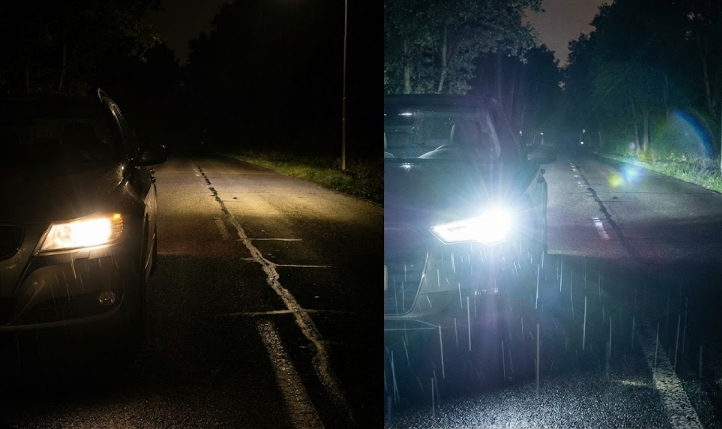
1. Glare and Beam Pattern Issues
This is the most common and most misunderstood problem.
Most vehicles on the road were originally designed around halogen bulbs, which use a thin filament placed at a very precise focal point inside the headlight housing.
Reflector and projector optics are engineered specifically for that filament position.
LED bulbs work differently. They use flat chips instead of a filament, and if those chips are even slightly misaligned, the result can be:
Excessive headlight glare for oncoming traffic
Overly bright light close to the car
Dark spots or poor visibility further down the road
Reduced driver confidence at night
This is often described as “the road looks bright, but I can’t see far.”
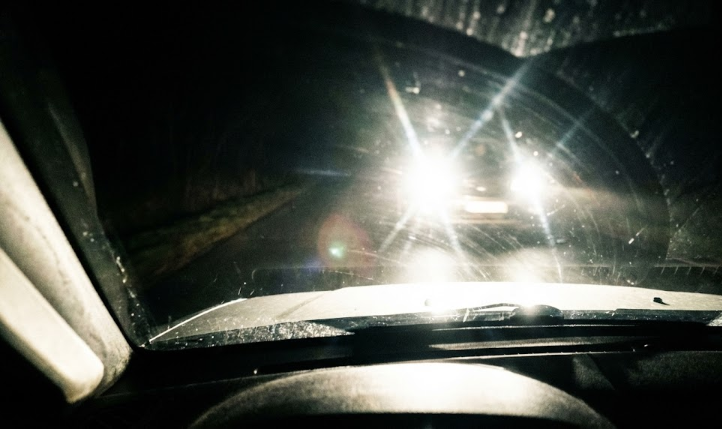
In most cases, the issue is chip alignment and beam pattern mismatch, not brightness. Even a powerful LED bulb will perform poorly if its light does not match the original optical design of the headlight.
2. LED Flickering and Dashboard Warning Errors
Another frequent complaint is LED flickering or warning messages on the dashboard.
Modern vehicles use a CAN bus system to monitor electrical components, including headlights. Halogen bulbs draw a predictable amount of current. LEDs, on the other hand, consume much less power.
This difference can confuse the vehicle’s monitoring system and lead to:
Intermittent LED flickering
“Bulb out” or warning lights on the dashboard
Headlights turning off unexpectedly
These CAN bus errors are not defects in the vehicle—they are a compatibility issue.
Some LED bulbs include built-in resistors or decoders to simulate halogen load, but not all systems respond the same way.
What works perfectly in one car may fail in another. This is why LED upgrades are often vehicle-specific, even when the bulb size matches.
3. Heat Dissipation Problems
A common myth is that LEDs “don’t get hot.”
They absolutely do—just not in the same way as halogen bulbs.
Instead of radiating heat forward, LEDs concentrate heat at the base of the bulb, near the chip and driver electronics. Without proper heat dissipation, temperatures rise quickly.
Poor thermal design can cause:
Rapid brightness loss
Cooling fan failure
Electronic driver damage
Complete bulb failure within months
Many aftermarket LED bulbs rely on small cooling fans or compact heat sinks. In tight headlight housings, airflow can be restricted, trapping heat inside. Once heat builds up, lifespan drops dramatically.
In other words, LEDs often fail not because they are weak, but because cooling systems are inadequate.
Conclusion: The Real Cause—and Quick Fixes
Most common problems with LED headlights come down to two things:
low-quality products or improper installation.
To reduce issues:
Choose bulbs designed for your specific vehicle
Look for CAN bus-ready LED bulbs
Ensure correct bulb orientation and alignment
Verify there is enough space for cooling components
LED headlights can work very well—but only when optics, electronics, and heat management are properly matched. A little research upfront can prevent glare, flickering, and premature failure later.


