What Makes a Good Automotive Lighting Upgrade? 7 Factors Buyers Should Check
12 May 2026
by Conpex
Reading volume: 885
A good automotive lighting upgrade is not only brighter.
It should provide controlled beam pattern, useful road visibility, stable heat dissipation, suitable color temperature, reliable protection, and proper fitment.
For business buyers, it should also be easy to sell, easy to explain, and supported by a stable supplier.
This is especially important for retrofit shops, distributors, and wholesalers. A lighting product must perform well on the road and make sense in the market.

Factor 1: Real Brightness Performance
Brightness is important, but buyers should understand how it is measured.
Lumen shows total light output. Lux shows how much light reaches a specific area. In automotive lighting, Lux@5m can help compare real beam strength at a fixed distance.
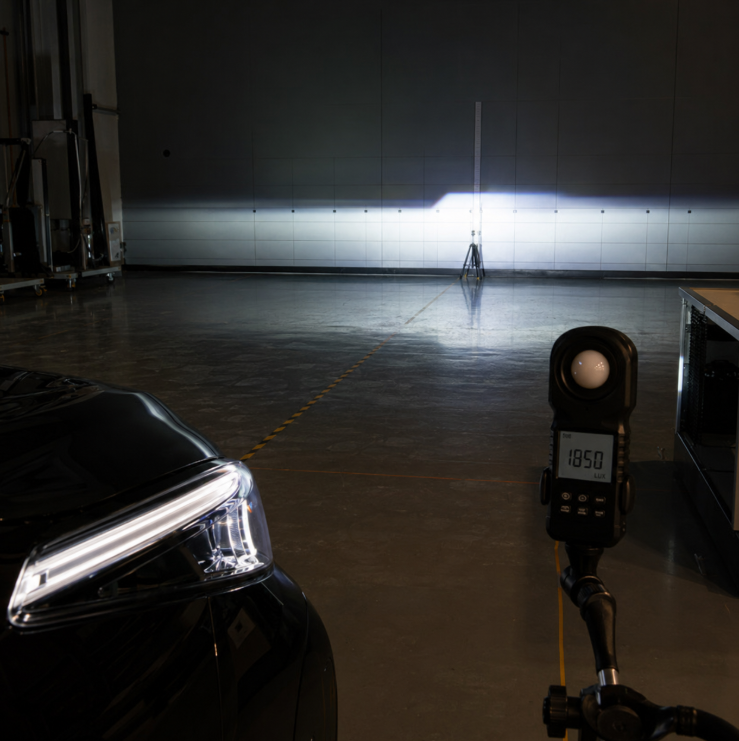
For example, a fog projector with strong low beam LX can improve foreground visibility. A higher high beam LX can support longer-distance visibility.
This is more useful than only saying a product is “super bright.”
Factor 2: Beam Pattern and Cut-Off Line
A strong light with a poor beam pattern can still be a bad upgrade.
The beam pattern decides how the light spreads on the road. A clear cut-off line helps keep low beam light controlled and reduces glare.
This is important for both driving comfort and road safety.
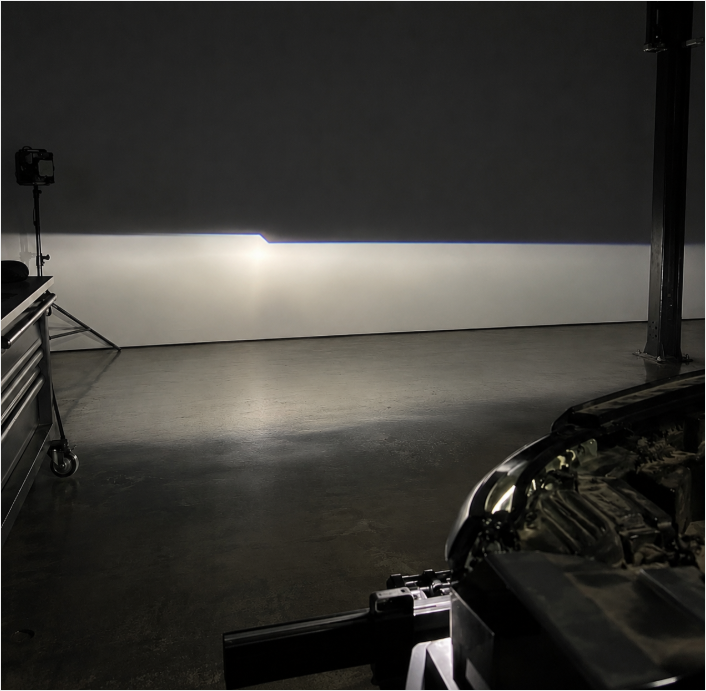
For retrofit shops, beam pattern is also a sales tool. A clean wall test can show customers the difference between a basic bulb and a controlled projector lens.
Factor 3: The Right Product Type
Different upgrades fit different needs.
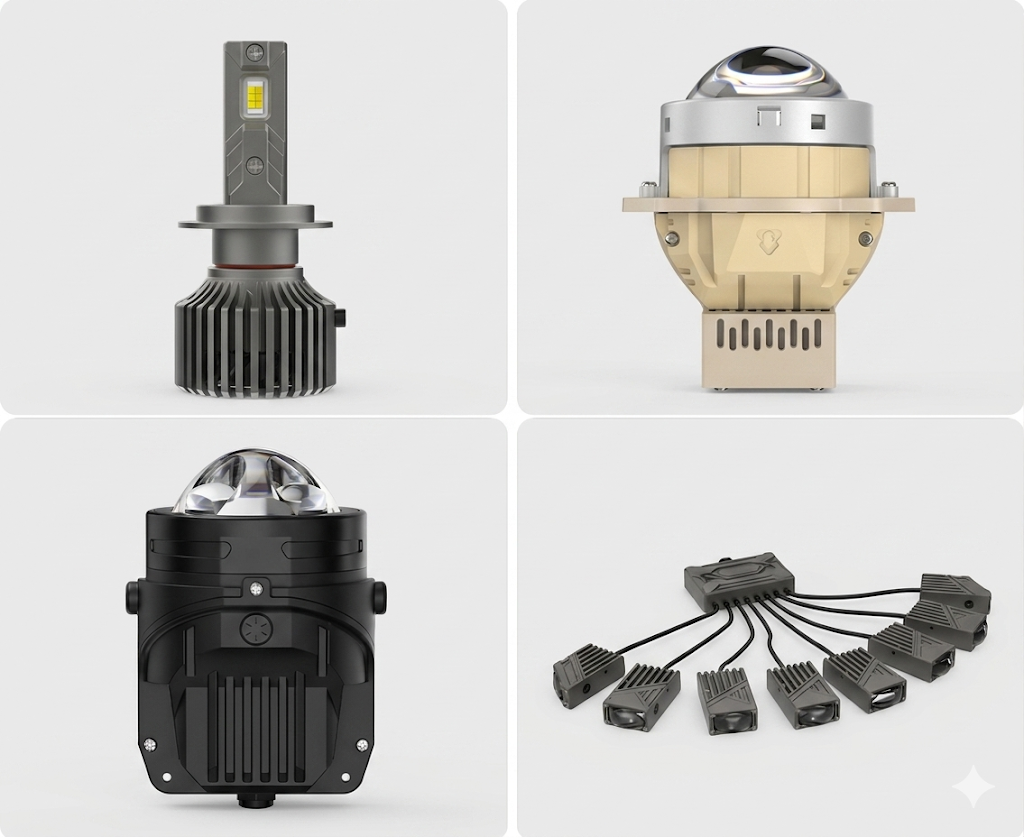
LED headlight bulbs are suitable for basic replacement and broad aftermarket demand. They are good for wholesalers because they cover many common vehicle applications.
Bi-LED projector lenses are better for premium headlight retrofit projects. They offer stronger beam control and a more professional lighting result.
Bi-LED fog projectors are useful for fog, rain, snow, and all-weather visibility upgrades.
LED grille light systems are suitable for pickups, SUVs, Jeeps, 4x4 vehicles, and off-road customization.
A good product line should not depend on one item. It should cover basic demand, premium upgrades, and differentiated products.
Factor 4: Color Temperature for Real Driving Conditions
Color temperature affects how drivers see the road.
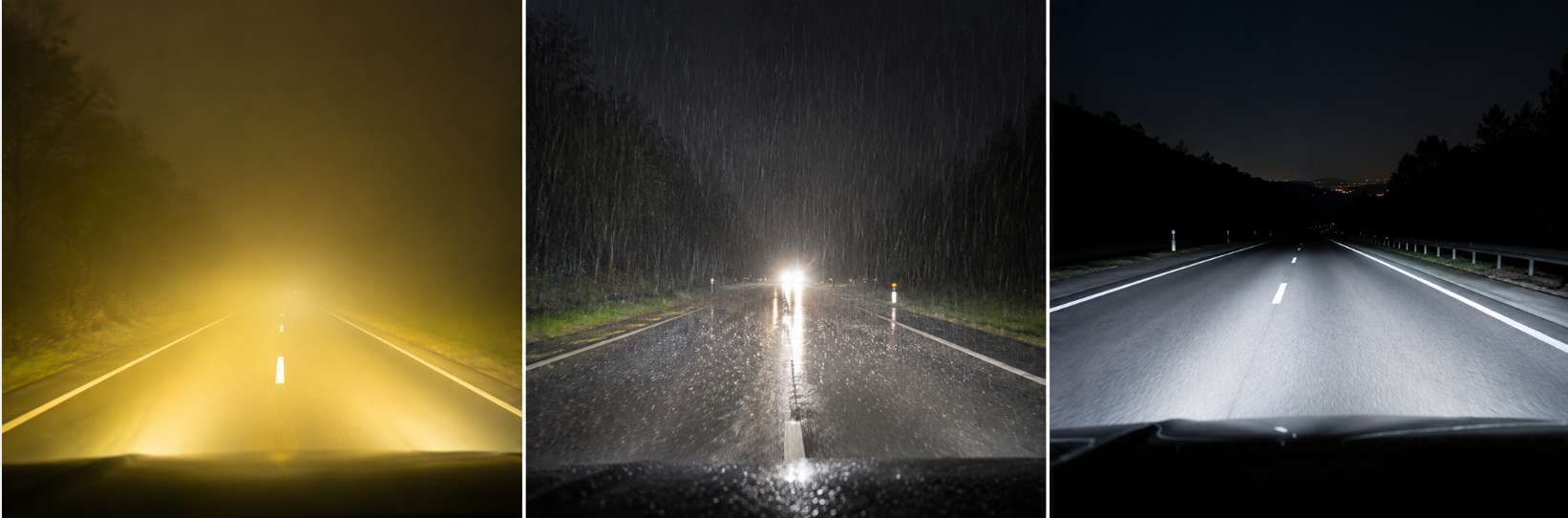
6000K white light gives a clean and modern look. It is common for night driving upgrades.
3000K yellow light is often used for fog, rain, and snow because it can feel more comfortable in poor weather.
4300K warm white light can be a balanced option for mixed driving conditions.
For this reason, 3-color lighting products can be useful for markets with changing weather. They give retrofit shops a stronger story to explain to customers.
Factor 5: Heat Dissipation and Stability
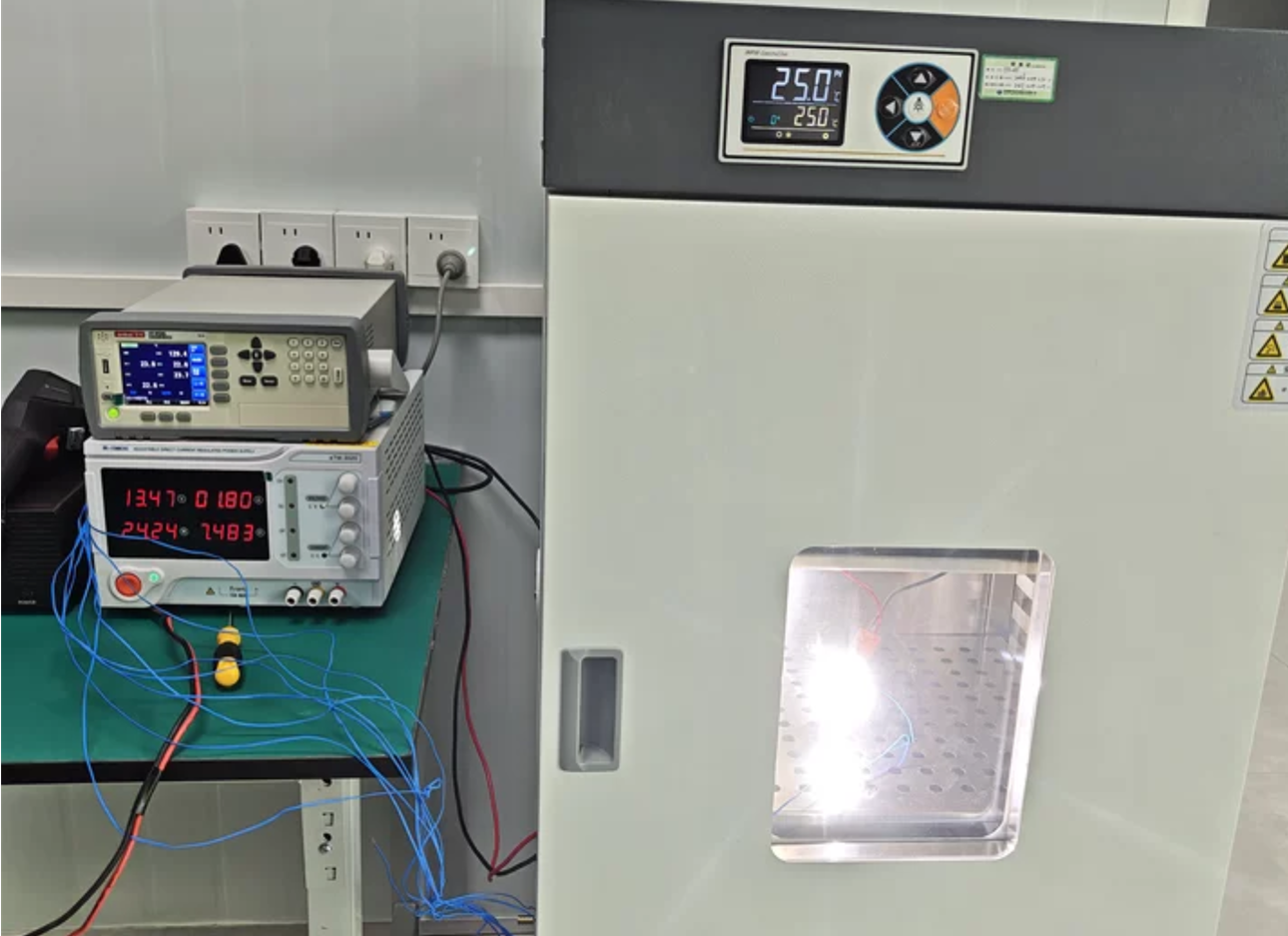
LED lighting products need good thermal management. Heat can affect brightness stability and long-term performance.
The best design depends on product type, power level, installation space, and usage environment.
For distributors, stable heat dissipation is not only a technical detail. It reduces after-sales problems and protects brand reputation.
Factor 6: Waterproof and Dustproof Protection
Automotive lighting products face rain, dust, mud, heat, vibration, and road debris.
This is why IP ratings matter. Products used for fog lights, off-road lights, and grille light systems should have clear protection information, such as IP67 or IP68 when applicable.
However, buyers should not only look at the IP number. They should also check housing material, lens material, sealing design, and testing process.
Factor 7: Supplier Support for Business Buyers
For B2B buyers, product performance is only one part of the decision.
Wholesalers and distributors also need stable supply, product images, specification sheets, packaging support, OEM/ODM options, and after-sales communication.
Retrofit shops need installation confidence, beam performance proof, and products that help them sell higher-value upgrades.
A reliable factory partner should help buyers build a product line, not just ship products.

Buyer Checklist
Before choosing an automotive lighting upgrade, check:
Is the brightness measured clearly?
Is there Lux data?
Is the beam pattern controlled?
Is the cut-off line clear?
Is the product type suitable for the market?
Is the color temperature suitable for real driving conditions?
Is the cooling structure reliable?
Is the IP rating clear?
Can the supplier support wholesale or OEM/ODM needs?
Final Advice
A good lighting upgrade should improve visibility, control light properly, and remain stable in real driving conditions. For business buyers, it should also create clear market value.
LED headlight bulbs can cover high-volume replacement demand. Bi-LED projector lenses can support premium retrofit projects. Bi-LED fog projectors can solve all-weather visibility needs.
G Series grille light systems can create differentiation for off-road and modified vehicle markets.
If you are planning a new automotive lighting product line, compare specifications, real beam performance, and supplier support before choosing.
The right upgrade should brighten the road and strengthen your business.


